ISFHDS 公式ジャーナル

オープンな研究で、より良い健康へ。

ISFHDS は研究者、臨床家、データサイエンティストをつなぎ、Med Research を通じて最新成果を届けます。

Online ISSN 2998-4971Print ISSN 2998-4963オープンアクセスWiley と共同出版

Med Research

各号

刊行済みの Med Research と、近日刊行予定の表紙をご覧いただけます。

2026

Med Research, 巻 2, 号 4, 2026年12月
巻 2 · 号 4Coming soon
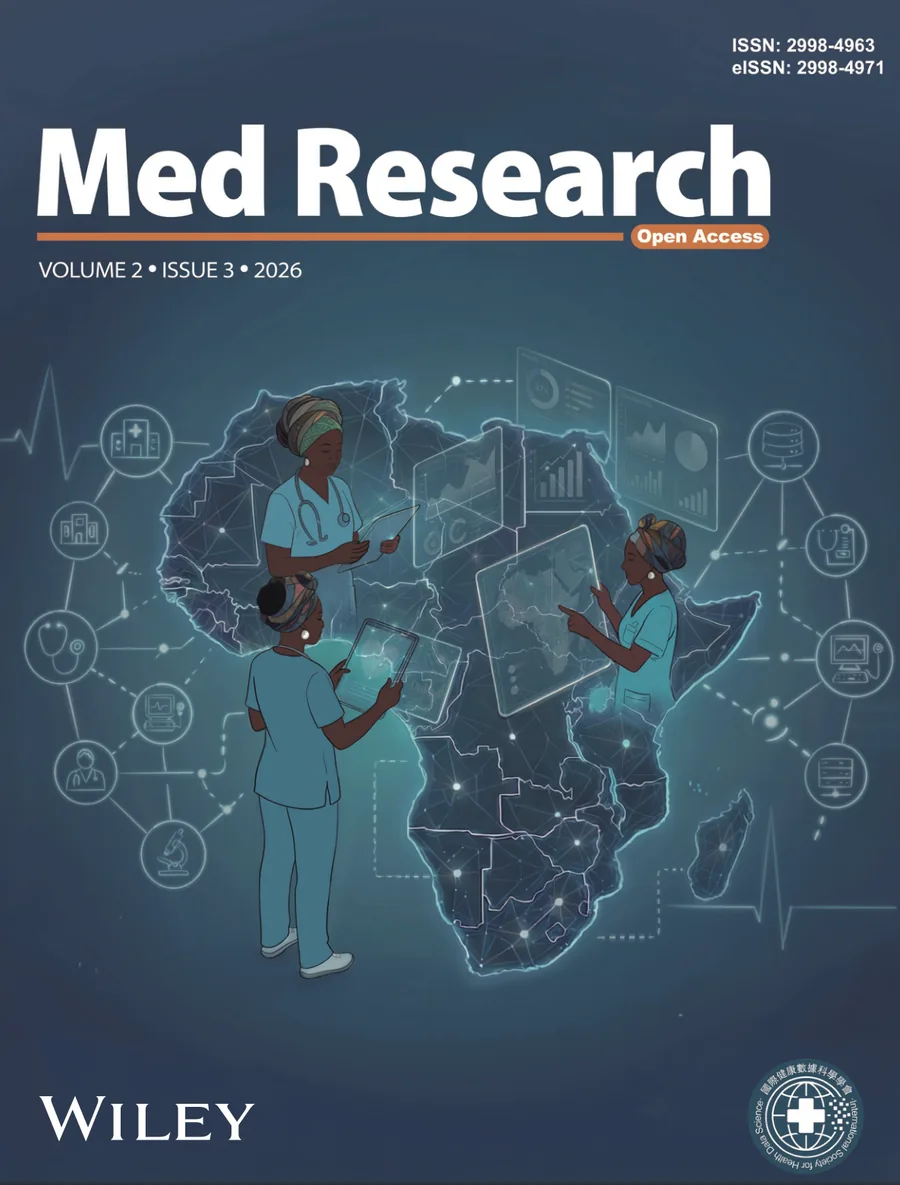
Med Research, 巻 2, 号 3, 2026年9月
巻 2 · 号 3Coming soon
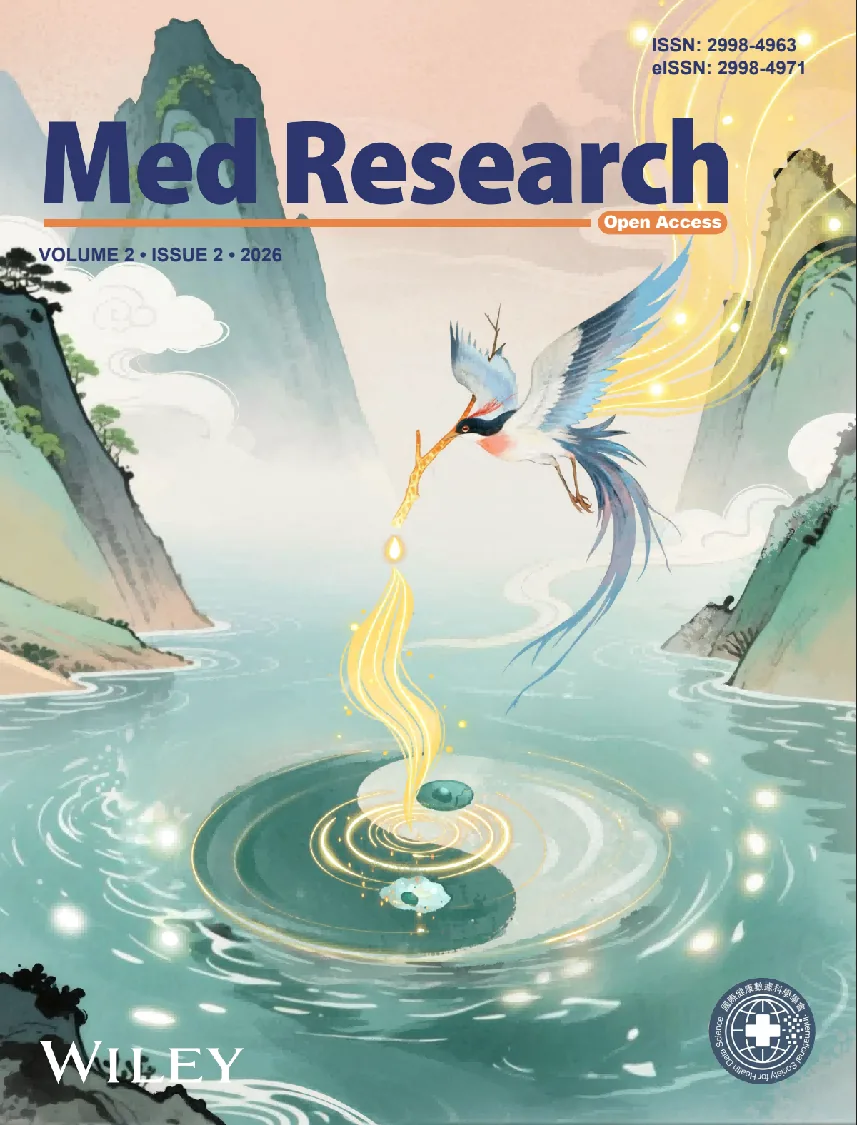
Med Research, 巻 2, 号 2, 2026年6月
巻 2 · 号 2
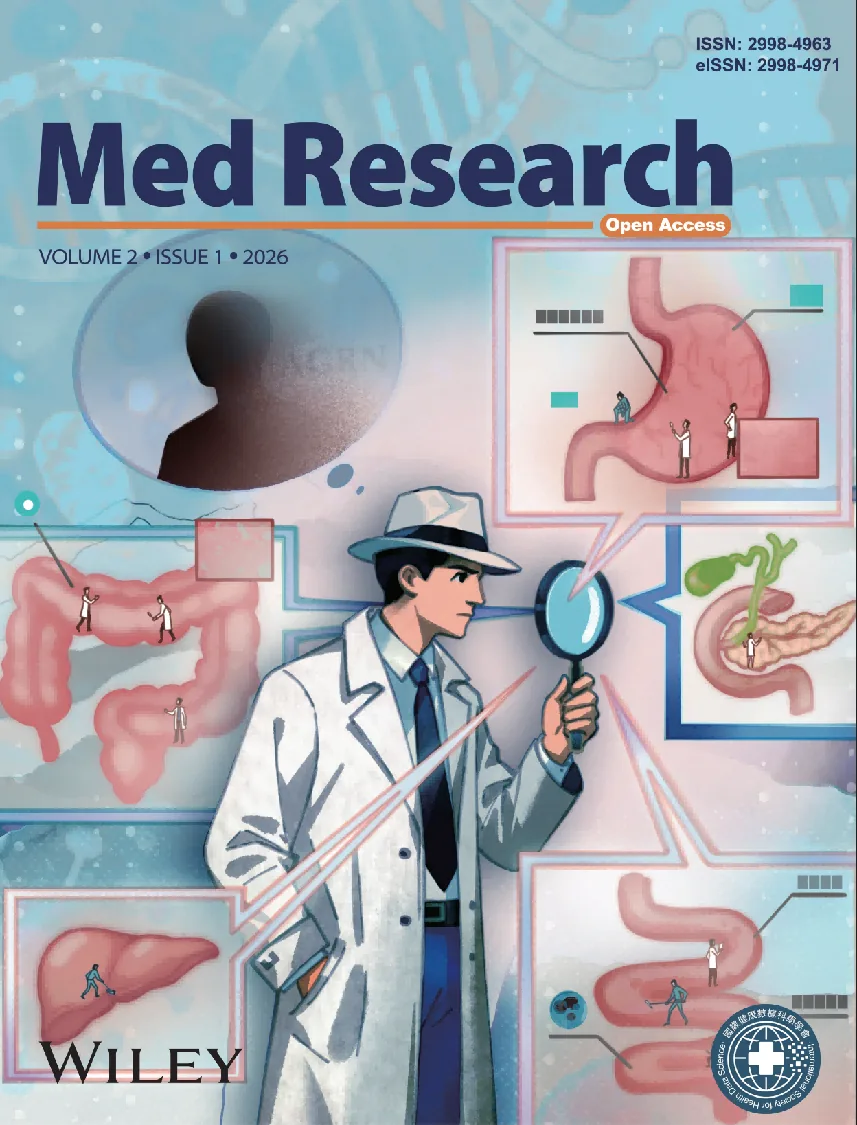
Med Research, 巻 2, 号 1, 2026年3月
巻 2 · 号 1

2025

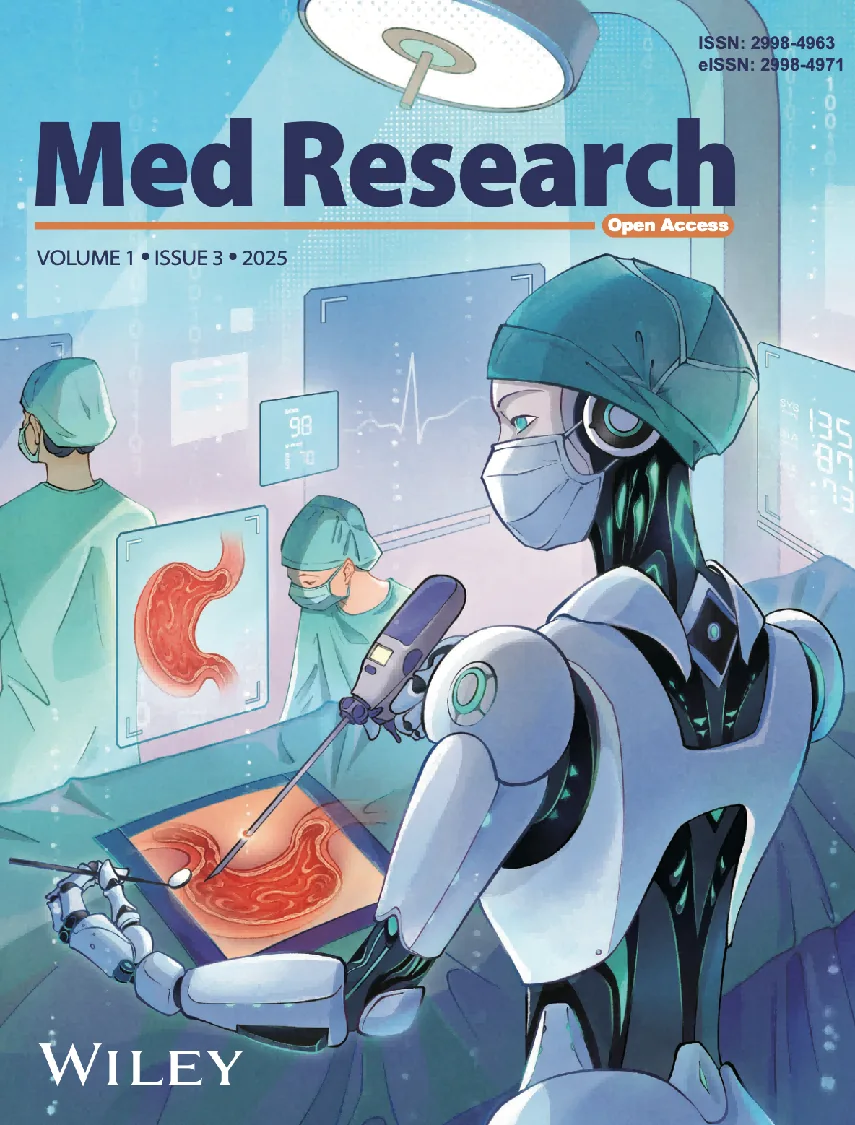
Med Research, 巻 1, 号 3, 2025年12月
巻 1 · 号 3
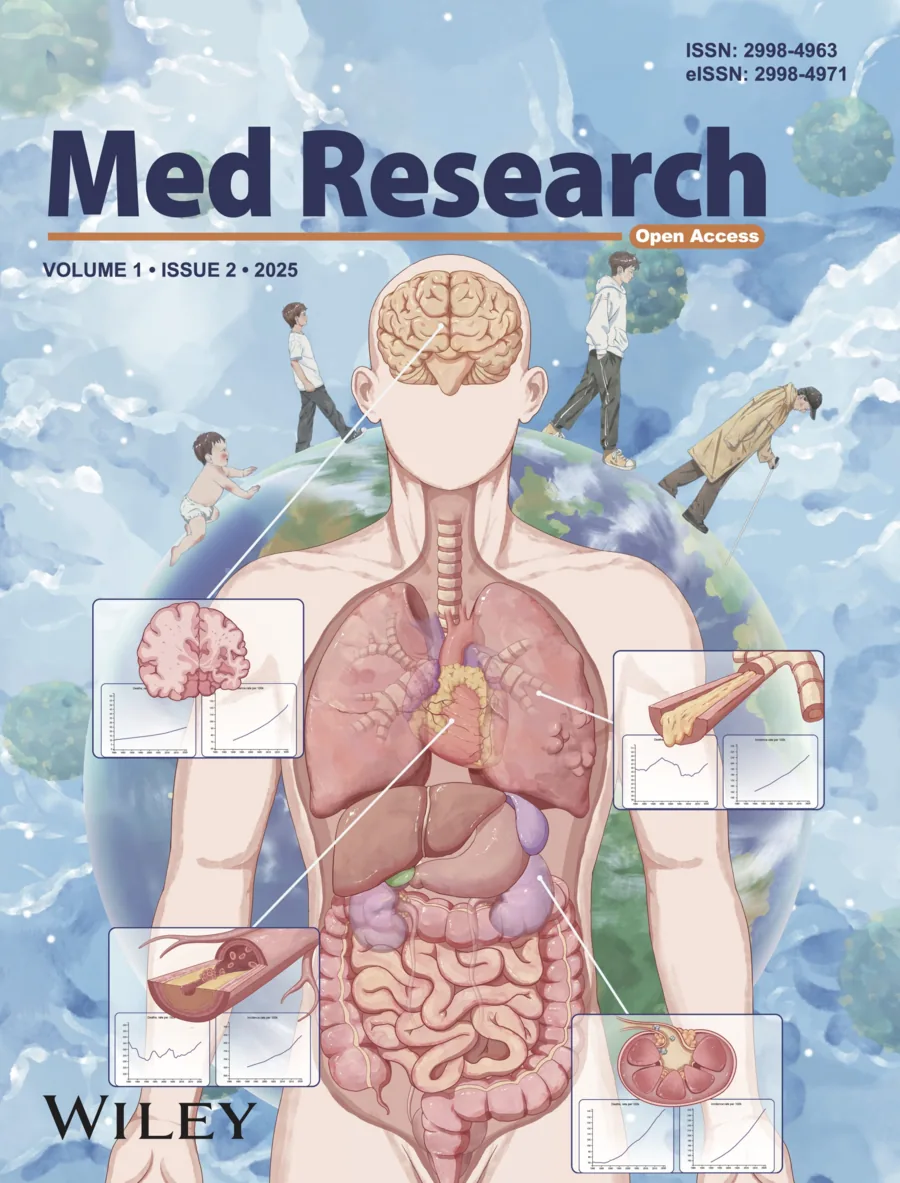
Med Research, 巻 1, 号 2, 2025年9月
巻 1 · 号 2
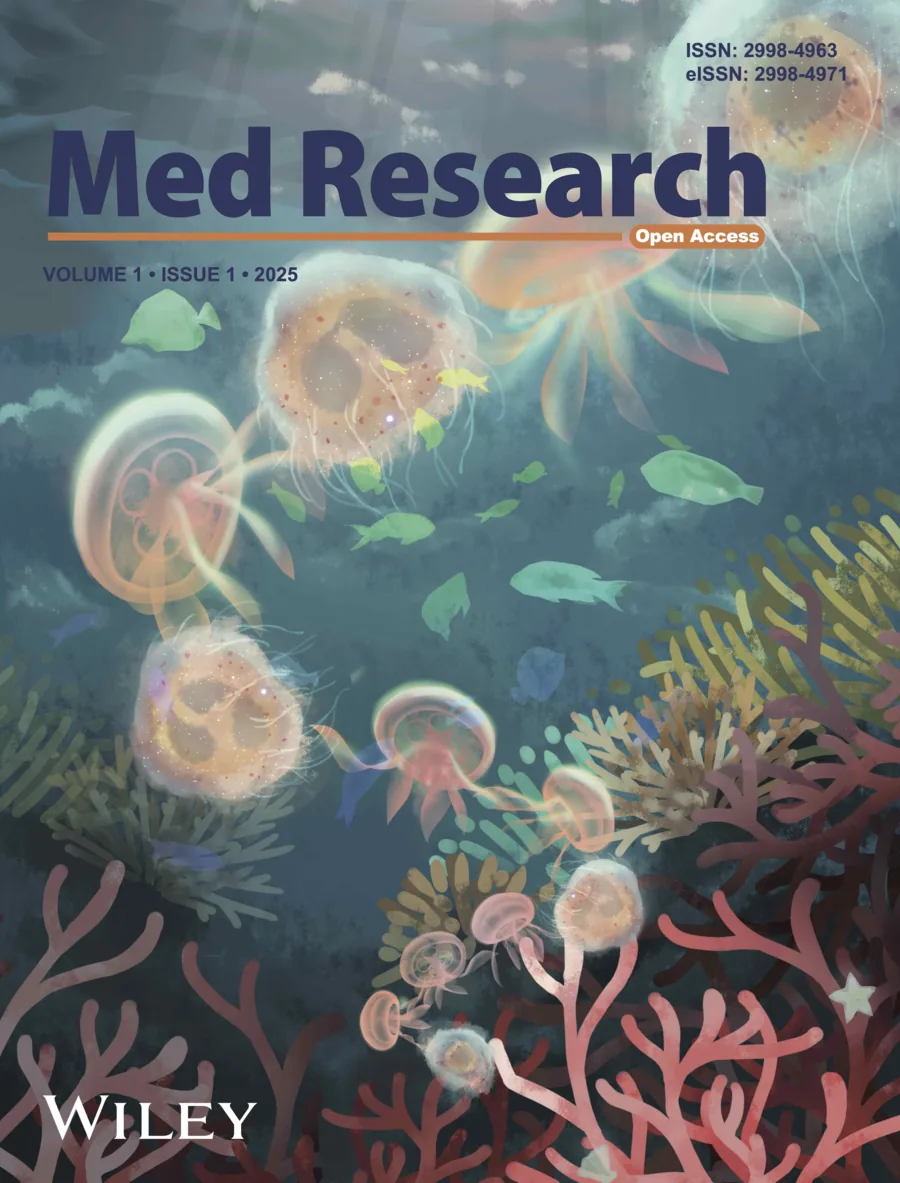
Med Research, 巻 1, 号 1, 2025年6月
巻 1 · 号 1

編集部注目論文

編集部セレクション

関連性とインパクトを基準に編集部が透明性をもって選んだ論文です。

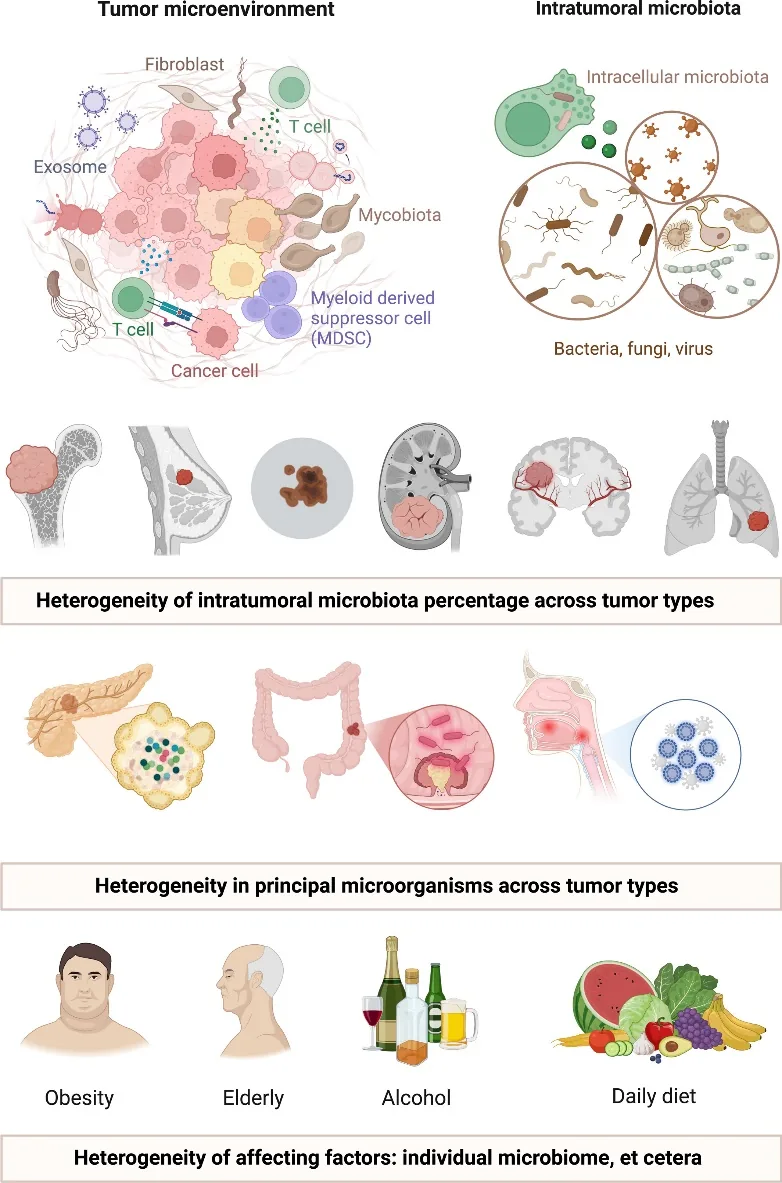
腫瘍内微生物叢の不均一性と腫瘍進展を示す図
Articleオープンアクセス

Heterogeneity of Intratumoral Microbiota Within the Tumor Microenvironment and Relationship to Tumor Development

Intratumoral microorganisms within solid tumor TMEs significantly influence tumorigenesis and development by altering immune and metabolic patterns. Their diverse compositions and species contribute to the structural and functional heterogeneity of the TME, affecting tumor progression. Understanding the dual roles of these microbes in antitumor and protumor activities and their complex interactions with the TME enhances our knowledge of the mechanisms underlying tumorigenesis and development.

Wiley で読むDOI: 10.1002/mdr2.70006
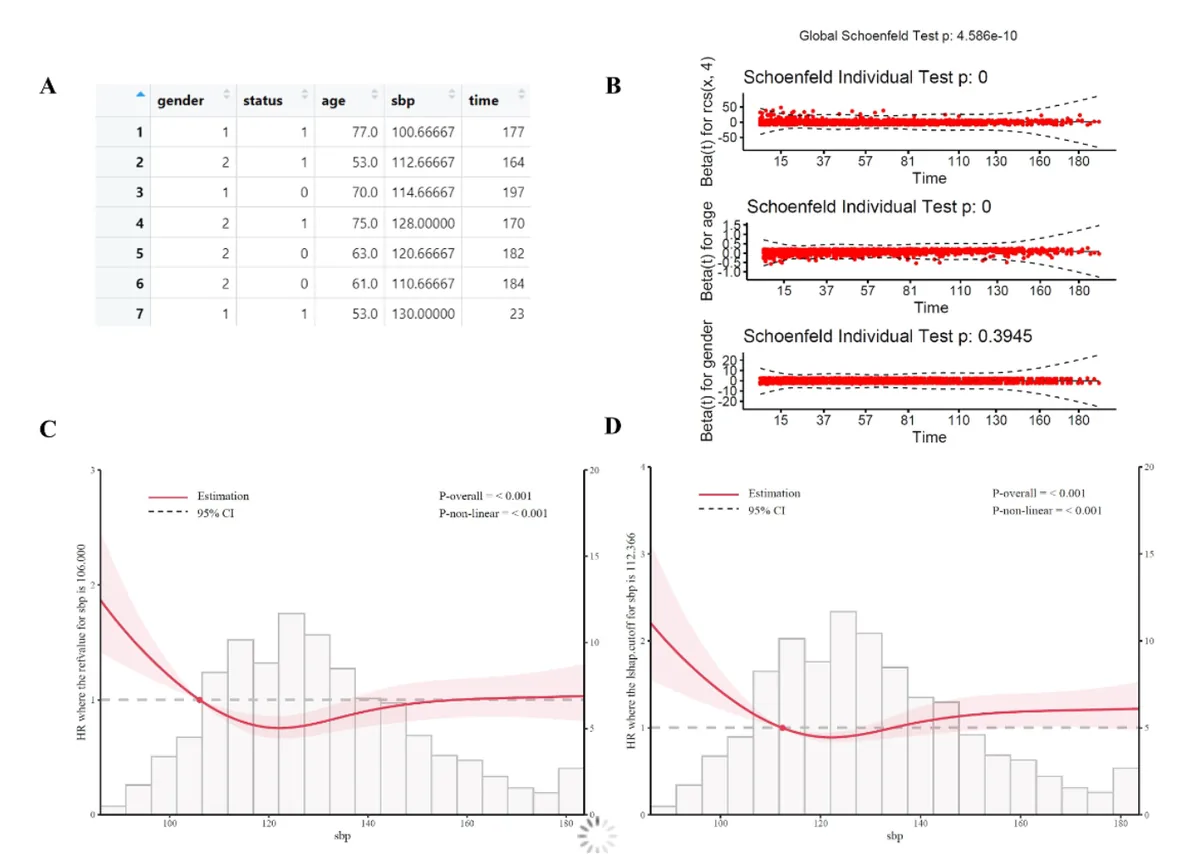
rcssciで作成した制限付き三次スプラインの可視化
Articleオープンアクセス

rcssci: An R Package for Visualization of Restricted Cubic Spline

rcssci represents an innovative restricted cubic spline (RCS) curve optimization methodology within the R package ecosystem, designed to refine and elevate the visual elegance of conventional RCS curves. This advanced visualization method enhances the aesthetics of existing RCS curves, generating both statistically appropriate and artistically compelling density distributions. It adeptly uncovers meaningful correlations across RCS curves for diverse effect sizes while accentuating critical graphical elements such as reference thresholds for odds ratios (OR), risk ratios (RR), hazard ratios (HR), and morphologically optimized cut‐point values. Featuring straightforward installation and a user‐friendly interface, rcssci serves as an indispensable analytical toolkit to enhance the researcher’s comprehension of continuous exposure–outcome relationships through visualization prior to engaging with more complex machine learning‐driven correlation analyses. The rcssci package is available free of charge with an explicit reference to this publication. For comprehensive guidance on installation protocols, bug fixes, and accessing real‐time enhancements to the package, researchers are directed to consult the official announcements regarding the rcssci toolkit within the WeChat official account titled “实战医学统计” (in Chinese).

Wiley で読むDOI: 10.1002/mdr2.70015

Med Research

最新論文

Med Research で新たに公開された研究、レビュー、通信。

すべての論文を見る
Review Articleオープンアクセス

Artificial Intelligence for Identifying Tumor‐Reactive CD8+ T Cells: Biological Principles, Computational Advances, and Future Directions

This review details a three‐stage paradigm shift for tumor‐reactive CD8+ T‐cell identification: decoding transcriptomic states, deciphering clonal functional efficacy, and molecular‐level therapeutic TCR design. Addressing translational hurdles and generative AI “scientific blind spots”—such as missing catch bonds—we present a visionary roadmap. By fusing explainable AI (XAI) with dynamic physical constraints via accelerated MD simulations, this framework enables force‐activated functional prediction to engineer programmable cytotoxic TCRs.

Wiley で読むDOI: 10.1002/mdr2.70080
Research Articleオープンアクセス

Proteomic Signatures of Ectopic Fat Distribution: Tissue‐Specific Drivers and Clinical Implications

Integration of plasma proteomics and multi‐organ MRI in 666 UK Biobank participants, combined with a knockoff‐based causal inference and machine learning framework, reveals organ‐specific drivers of ectopic fat: PLA2G1B (pancreas), ERBB2/IGFBP2 (liver), CA14 (muscle), and NCAM2/TNFRSF10B (pericardium). These drivers engage distinct pathways (e.g., PI3K‐Akt in liver, BMP/TGFβ in muscle) and predict divergent disease outcomes—muscle fat broadly associates with cardiometabolic, neurological, and digestive diseases, whereas liver fat links to diabetes/hypertension and pancreatic fat to metabolic conditions. This causal atlas supports tissue‐targeted strategies.

Wiley で読むDOI: 10.1002/mdr2.70078
Review Articleオープンアクセス

Toxicity Differences Between Microplastics and Nanoplastics in Organs: From Molecular Mechanisms to Potential Therapeutic Strategies

This review systematically compares the size‐dependent toxicity of microplastics and nanoplastics in the intestine, liver, kidney, lung, and brain. Particle size determines bioavailability, barrier penetration, and injury mechanisms. Because of their small size and high surface reactivity, NPs readily cross the intestinal epithelium and blood–brain barrier, enter mitochondria and lysosomes, and trigger ferroptosis through iron overload and lipid peroxidation. They also disrupt mitochondrial membrane potential and activate inflammatory pathways. In contrast, larger MPs remain mainly extracellular, inducing YAP‐mediated metabolic reprogramming, chronic oxidative stress, and persistent immune activation via mechanical stress. These differences drive organ‐specific outcomes: NPs cause intestinal ferroptosis while MPs induce metabolic shifts; NPs damage liver mitochondria whereas MPs provoke chronic granulomas; and neurotoxicity occurs directly via NPs or indirectly through the gut–brain axis. The gut acts as a central hub, spreading local injury to distant organs via gut–liver, gut–brain, and gut–kidney axes. This size‐based framework supports precision toxicology and health risk asse…

Wiley で読むDOI: 10.1002/mdr2.70079
Review Articleオープンアクセス

Mapping Causal Biology: Mendelian Randomization in the Era of Big Data

Mendelian randomization (MR) leverages genetic variants to mitigate confounding biases in causal inference. This review systematically maps MR's methodological evolution, highlights its expanding applications in epidemiology and drug target validation, and outlines future directions for overcoming current biases through dynamic, multi‐omics, and cross‐ancestry integration.

Wiley で読むDOI: 10.1002/mdr2.70074
Research Articleオープンアクセス

KMT5C‐Mediated H4K20me3 Recruits EWSR1 to Propel Clear Cell Renal Cell Carcinoma Progression via Regulating ACADM Transcription and m6A Modification

A schematic diagram illustrating the KMT5C‐H4K20me3‐EWSR1‐ACADM signaling axis and its role in ccRCC progression. Key Outcomes: KMT5C/H4K20me3 are upregulated in ccRCC and predict poor prognosis. EWSR1 is a novel noncanonical H4K20me3 reader in ccRCC. KMT5C/EWSR1 co‐repress ACADM via transcription and m6A modification. A‐196 + sunitinib synergistically inhibits ccRCC growth in vivo.

Wiley で読むDOI: 10.1002/mdr2.70065
Correspondenceオープンアクセス

Omics GWAS: A Multi‐Omics Integrative Analysis Platform for Genome‐Wide Association Studies

ABSTRACT With the rapid advancement of genome‐wide association studies (GWAS), downstream analyses of GWAS data have become essential for elucidating the genetic mechanisms that underlie complex diseases. However, current post‐GWAS analyses face numerous challenges, including heterogeneous data formats, challenges in multi‐omics integration, and increasingly complex analytical workflows. As a comprehensive post‐GWAS analysis software platform, Omics GWAS provides researchers with an automated, end‐to‐end solution spanning data preparation through results’ visualization by integrating functional modules such as data standardization, Mendelian randomization, multi‐omics joint analysis, comorbidity mechanism exploration, and drug target discovery. The platform supports conversion of GWAS summary statistics across diverse data sources, integrates multidimensional omics data including expression quantitative trait loci (eQTLs), protein quantitative trait loci (pQTLs), and methylation quantitative trait loci (mQTLs) and systematically investigates causal relationships between genotypes and phenotypes using methods such as Mendelian randomization, colocalization analysis, and summary dat…

Wiley で読むDOI: 10.1002/mdr2.70077
最新号: 巻 2, 号 2

最新号

巻 2, 号 2

2026年6月

最新号を確認し、Wiley の正式な出版記録へ進めます。

最新号

Med Research

有用な医学エビデンスのためのジャーナル

Med Research は基礎研究、臨床実践、橋渡し研究、健康データ科学を結びます。

2998-4971Online ISSN
2998-4963Print ISSN
オープンアクセス公開論文をすぐに閲覧可能
Wiley出版プラットフォーム

Med Research

目的と対象分野

疾患機序、バイオマーカー、臨床エビデンス、デジタル医療、保健政策など、人の健康に明確に関わる厳密な研究を歓迎します。

ジャーナルの対象分野を見る

投稿する理由

論文を投稿

  • 公開後すぐにオープンアクセス
  • 学際的な医学研究の読者層
  • Wiley 上の公式投稿ワークフロー
著者向けガイド

編集体制

Shuofeng Yuan, PhD

The University of Hong Kong, Hong Kong, China

Zhixiong Liu, MD
Central South University, Changsha, China

編集委員会を見る